Advanced Laser Cataract Surgery in Tampa Bay, Sebring & Gainesville
For more than 25 years, Newsom Eye has been Florida's trusted cataract specialist, with more than 100,000 surgeries performed. Led by T. Hunter Newsom, MD — inventor of the Newsom Bladeless Laser Cataract Surgery technique and a principal investigator in the FDA study of the Light Adjustable Lens — our surgeons have helped thousands of patients see clearly again.
What Are Cataracts?
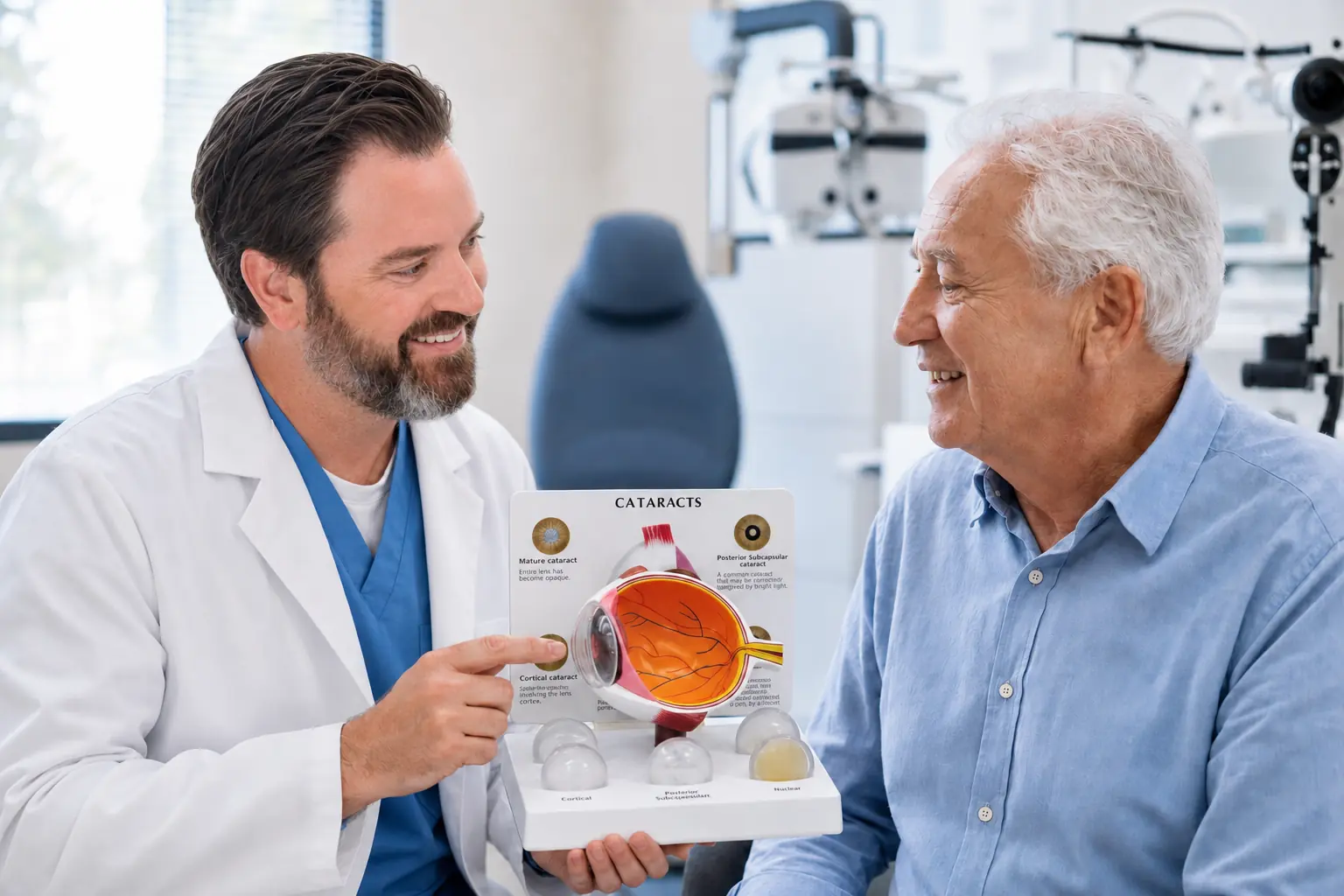
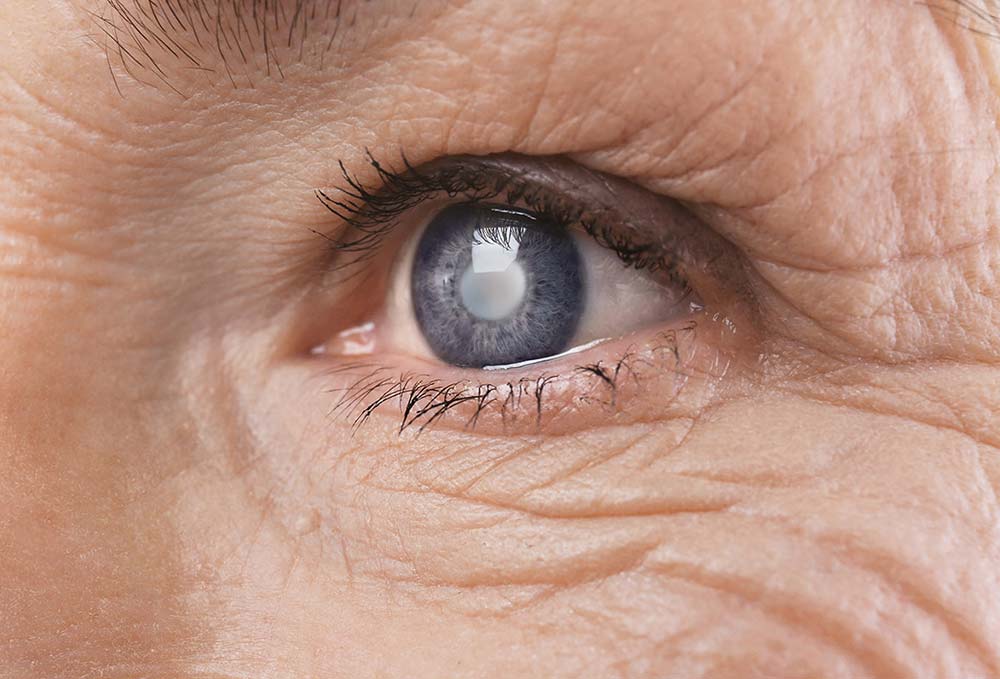
As people age, the natural lens of the eye becomes harder and gradually changes from clear to a brownish, cloudy color, decreasing the quality of vision and perception. This clouding is a cataract. It is a natural part of aging: many people begin developing cataracts in their 40s or 50s, and symptoms typically become noticeable in their 60s or later.
Common cataract symptoms include:
- Blurry or clouded vision
- Increased sensitivity to light and glare
- Difficulty seeing at night, including halos around lights
- Fading or yellowing of colors
- Frequent changes in your glasses prescription
When Is the Right Time for Cataract Surgery?
Many patients wonder if they are “too young” for cataract surgery. The answer depends on your vision needs. While most people have surgery around age 65, cataracts can develop earlier.
The right time for surgery is when cataracts start interfering with your daily activities — reading, driving (especially at night), or using screens. If you notice difficulty with these tasks, a consultation at Newsom Eye can help you decide when treatment makes sense for you.

Not sure if it's cataracts?
Take our quick online Cataract Self-Test to see whether your symptoms point to cataracts and whether it's time to schedule an evaluation.
Take the Cataract Self-TestThe Newsom Eye Cataract Difference
We go beyond restoring vision — we enhance lives, with technology and techniques you won't find just anywhere.
Newsom Bladeless Laser Cataract Surgery
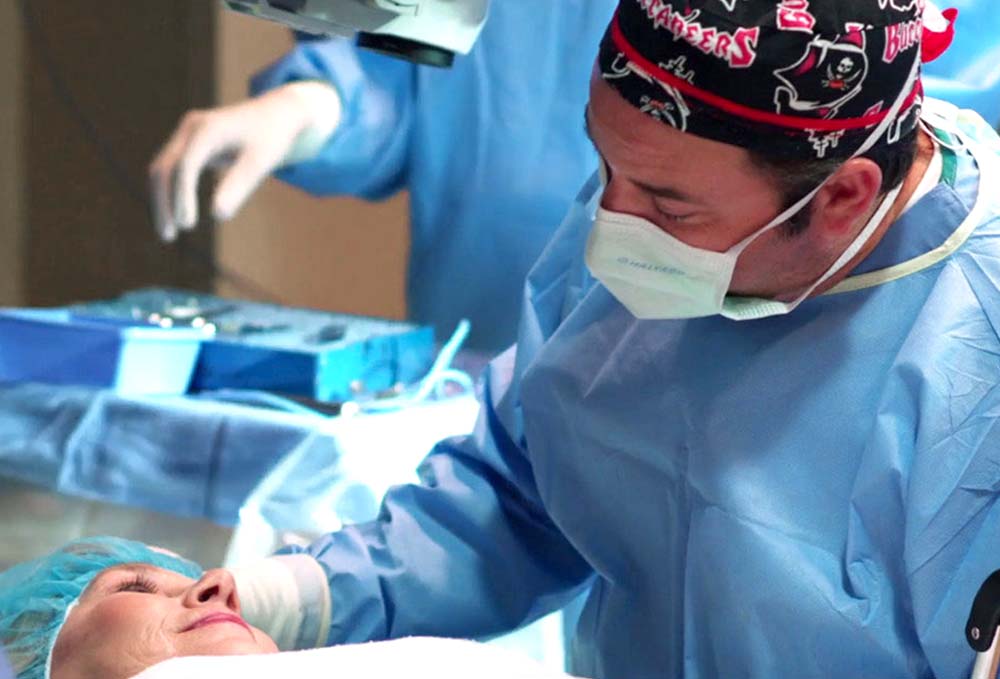
Dr. Newsom pioneered this technique, replacing bladed instruments with a femtosecond laser for a safer, more precise, less invasive procedure.
Learn about the technique →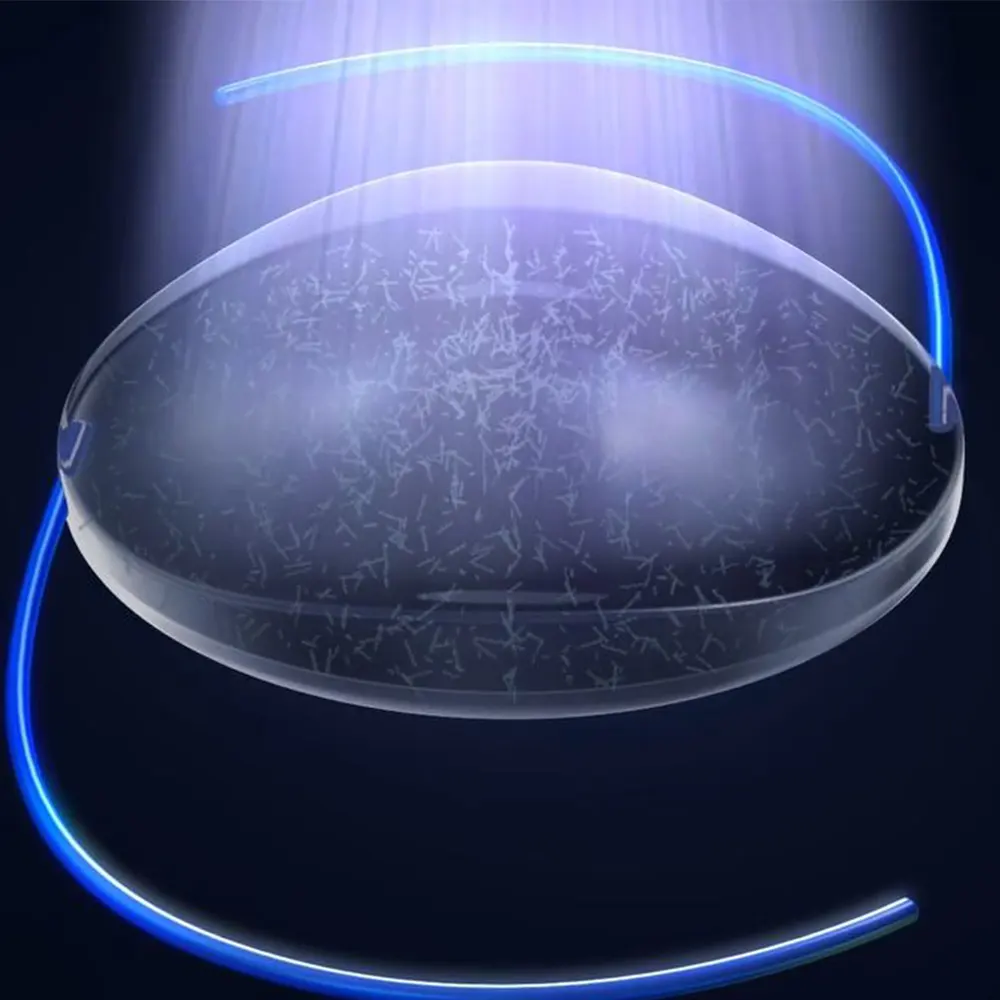
Light Adjustable Lens (LAL)
The only intraocular lens that can be adjusted after surgery, so your vision is fine-tuned to how your eye actually heals. Dr. Newsom was a principal investigator in its FDA study.
Explore the LAL →
Customized Lens Options
From standard monofocal implants to premium lenses with a greater range of focus, we match your lens to your lifestyle to reduce or eliminate the need for glasses.
Compare lens options →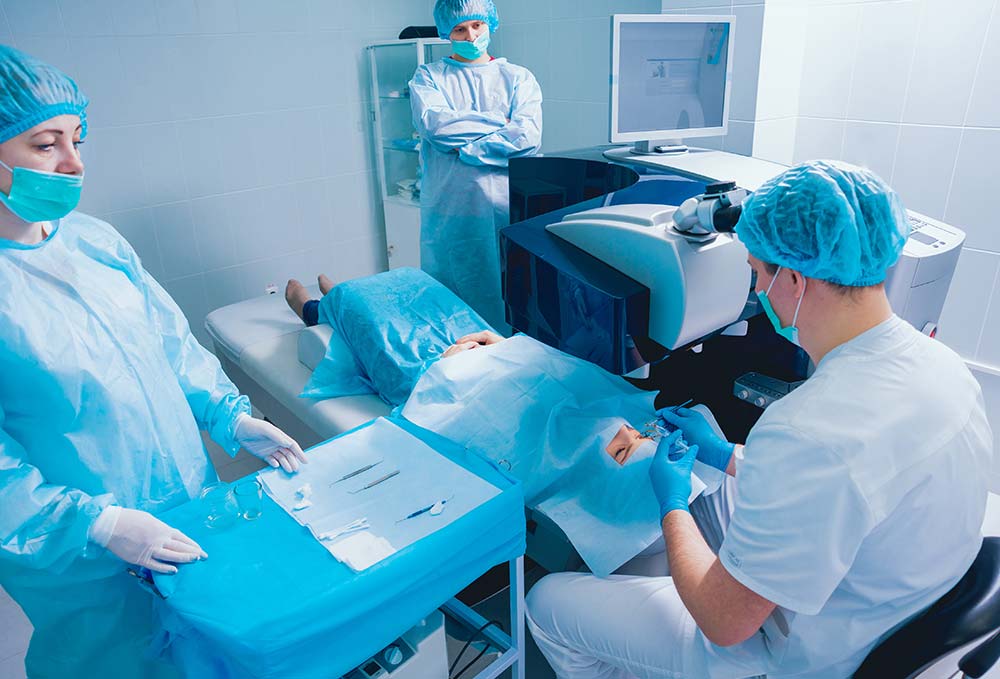
AAAHC-Accredited Surgery Centers
Every procedure is performed in our own Medicare-deemed surgery centers in Tampa, Sebring and Gainesville — the highest standard for outpatient surgery.
Our surgery centers →Meet Our Cataract Surgeons
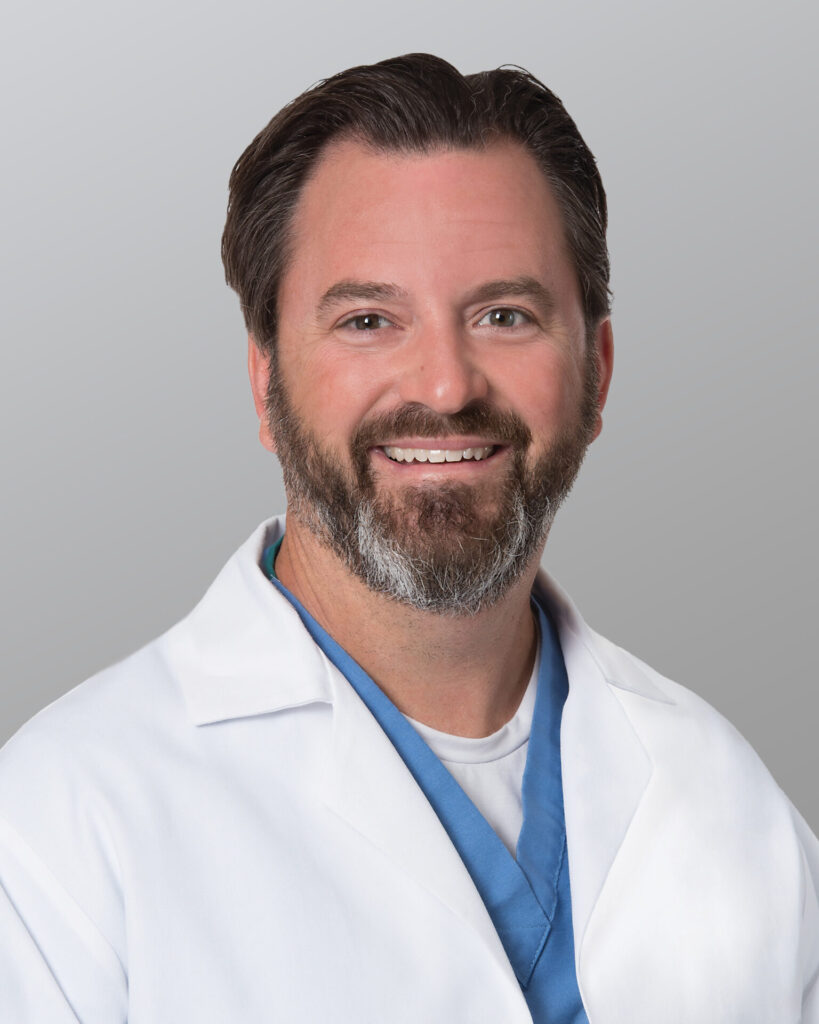
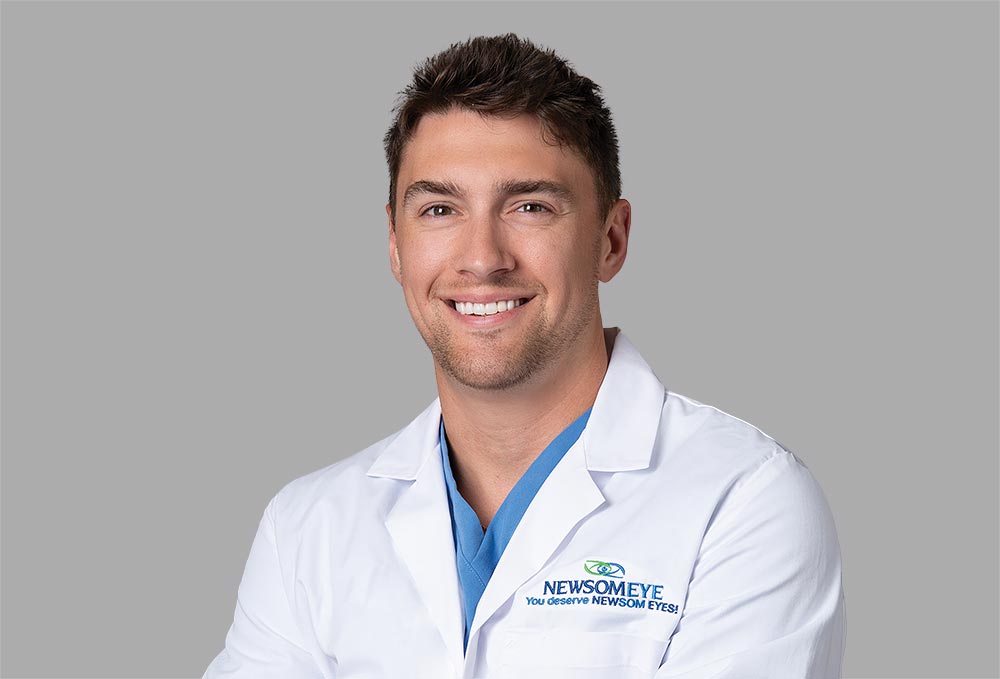
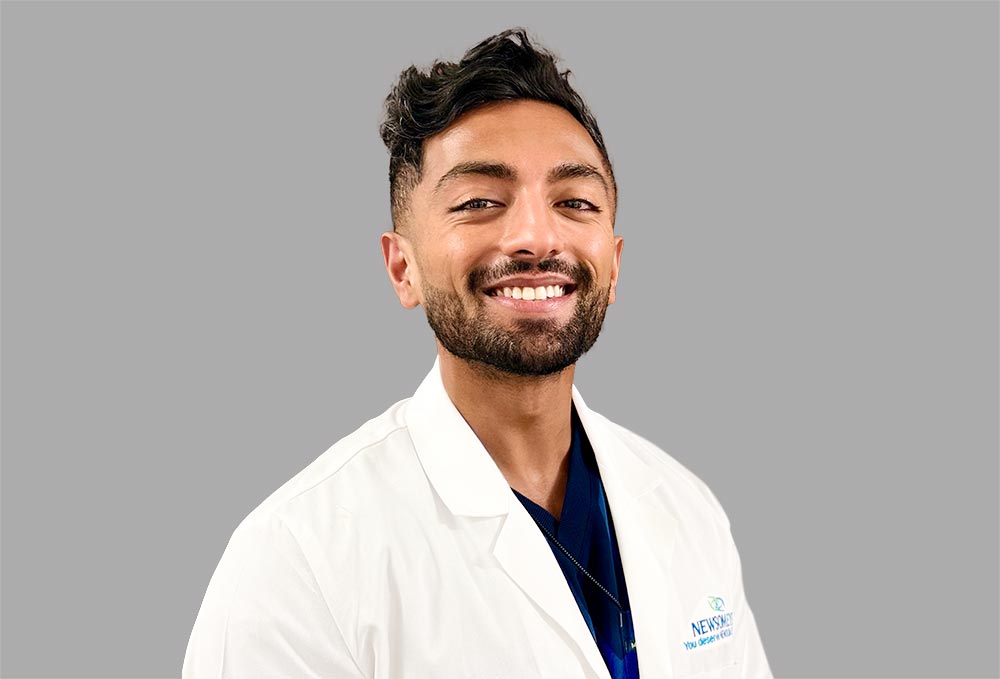
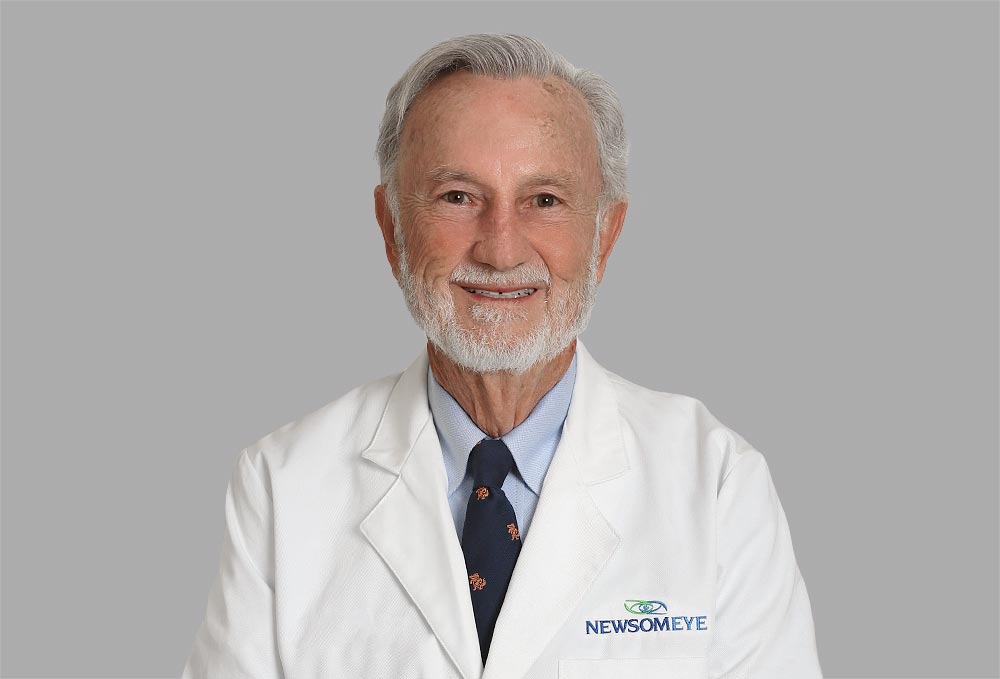
Board-certified ophthalmologists performing cataract surgery across Newsom Eye locations.
Life After Cataract Surgery at Newsom Eye
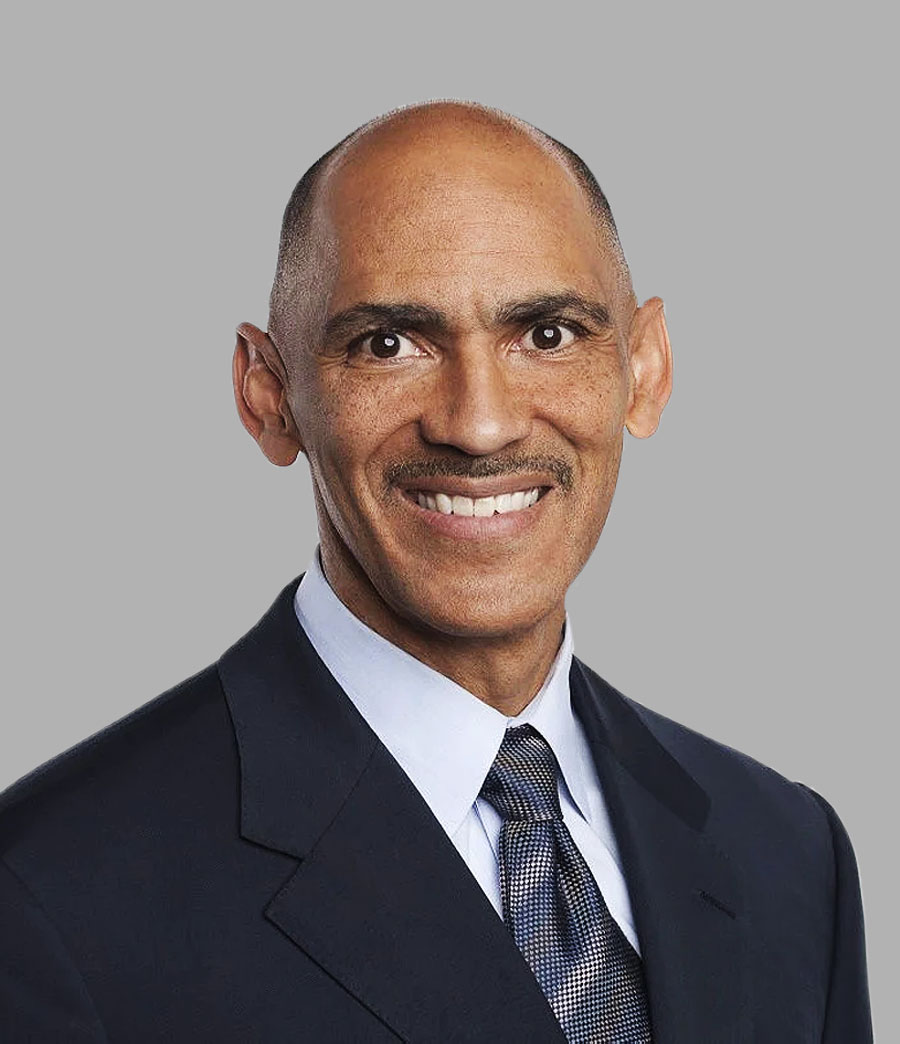
Coach Tony Dungy's Vision Victory
Cataract surgery with the Light Adjustable Lens
Raymond Hyer: Clear Vision with the LAL
Tampa business owner · Cataract patient