Our Technology

Laserloop: Advancing Cataract Surgery

You deserve NEWSOM EYES!

Traditional cataract surgery breaks up the cloudy lens with ultrasound energy. Laserloop fragments it mechanically instead — reducing the ultrasound required, and with it the risk to surrounding tissue.

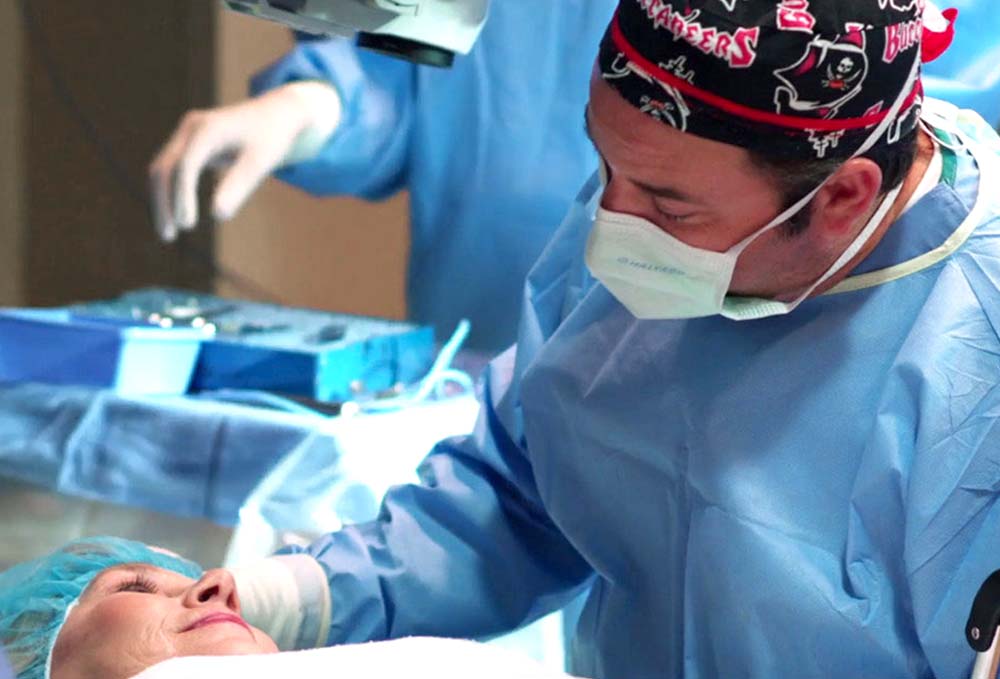
Laserloop cataract surgery technology at Newsom Eye
25+ Years
Serving Florida patients
100,000+
Surgeries performed
5 Locations
Sebring to Gainesville
3 Surgery Centers
AAAHC accredited
Cataract surgery at a Newsom Eye surgery center
The Background

How cataract surgery has evolved

Cataract surgery is one of the most common surgical procedures worldwide, with millions performed each year. Traditionally it involves manually breaking up the cloudy lens and removing it through a process called phacoemulsification, using ultrasound energy. While effective, this method can be time-consuming and requires precise control to avoid complications.

Over the years, significant advancements have transformed the procedure. Premium lens implants have revolutionized post-surgery vision, reducing or eliminating the need for glasses. Bladeless laser cataract surgery has enhanced precision and predictability, leading to better surgical outcomes.

Laserloop is the next step in that progression — aimed squarely at the amount of ultrasound energy the eye has to absorb.

  • Phacoemulsification uses ultrasound energy to break up the lens.
  • Premium lenses transformed what vision looks like afterward.
  • Bladeless laser improved the precision of the incisions.
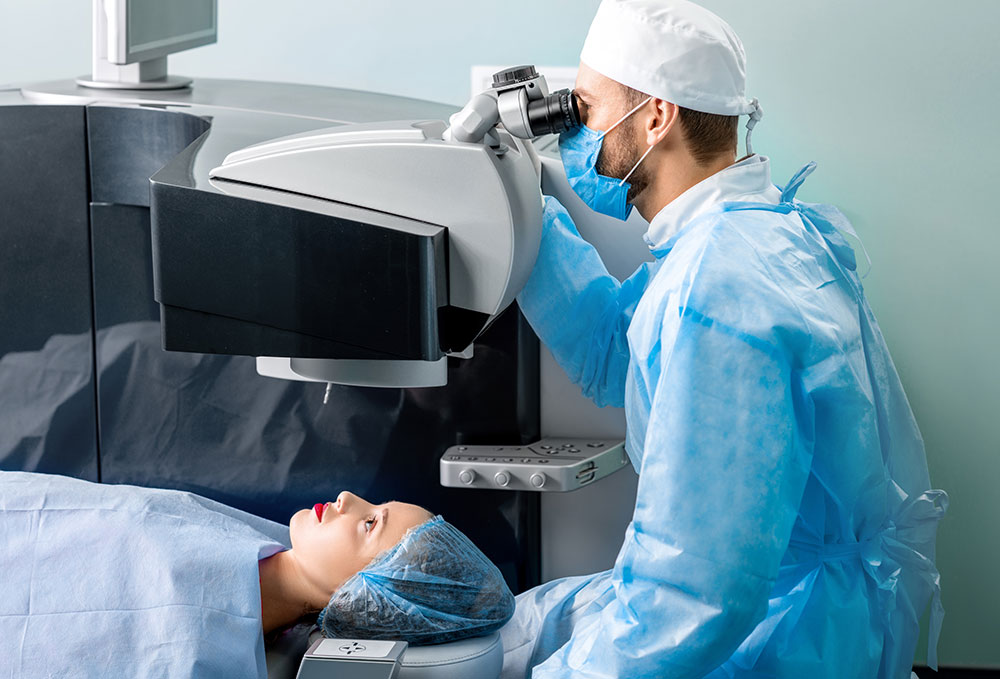
Laserloop fragmenting a cataract during surgery
The Innovation

What Laserloop does

Laserloop uses micro-thin, super-elastic nitinol filament technology to fragment the cataract into tiny pieces, making extraction easier and more efficient.

By reducing the amount of ultrasound energy required during surgery, Laserloop minimizes the risk of complications and promotes faster healing.

Less ultrasound energy in the eye means less stress on the corneal endothelium — which matters most for the patients who have the least to spare, such as those with Fuchs’ dystrophy.

  • Enhanced safety. Reducing reliance on ultrasound energy minimizes the risk of damage to surrounding tissues and structures.
  • Improved efficiency. Fragmenting the lens mechanically makes extraction easier and faster.
  • Faster healing as a result of less energy delivered into the eye.
Laserloop FAQs

Frequently asked questions about Laserloop

What is Laserloop?

An innovative device that uses micro-thin, super-elastic nitinol filament technology to fragment the cataract into tiny pieces, making extraction easier and more efficient.

How is it different from standard cataract surgery?

Traditional cataract surgery breaks up the cloudy lens using ultrasound energy in a process called phacoemulsification. Laserloop fragments the lens mechanically, reducing the amount of ultrasound energy required.

Why does reducing ultrasound energy matter?

Ultrasound energy delivered into the eye stresses the surrounding tissues. Reducing it minimizes the risk of damage to those structures, enhancing overall safety and promoting faster healing.

Does it make surgery faster?

It is designed to improve efficiency by making the cataract easier to extract. The procedure overall still typically runs 10 to 20 minutes.

Is it right for every patient?

Your surgeon will decide based on the density of your cataract and the health of your cornea. Patients with limited endothelial reserve are among those who benefit most from less ultrasound energy.

Does it change my lens options?

No. Laserloop is about how the cataract is removed. Your implant choice — monofocal, customized or the Light Adjustable Lens — is a separate decision.

Where is it used?

At Newsom Eye’s AAAHC-accredited surgery centers, alongside our bladeless laser technique.

How do I know if Laserloop will be used in my surgery?

Ask your surgeon at your cataract evaluation. They will explain what approach they plan for your eye and why.

Ask what technology your surgery will use

It is a fair question and a good one. Bring it to your cataract evaluation at any of our five Florida locations.