

Cornea Treatment & Surgery in Tampa, Sebring, Brooksville & Gainesville
The cornea provides most of your eye’s focusing power. When it is scarred, swollen, thinning or dry, vision suffers. Newsom Eye diagnoses and treats the full range of corneal disease at all five Florida locations.

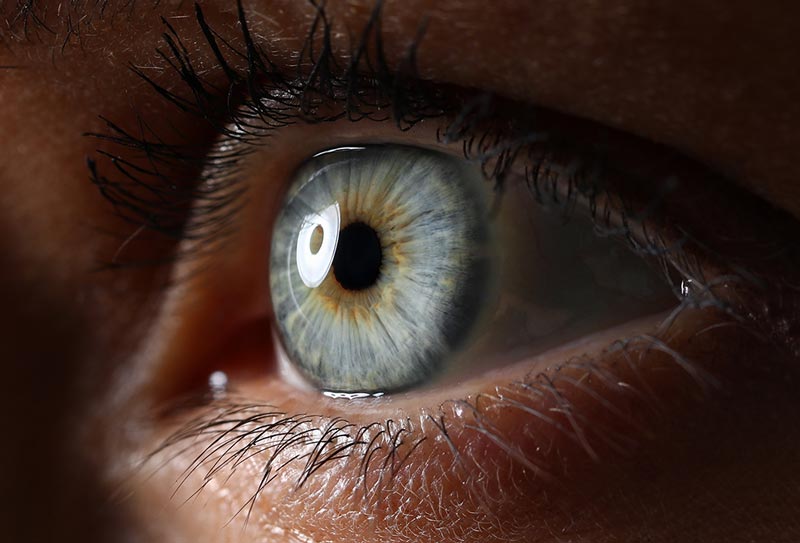
What is the cornea?
The cornea is the outermost layer of the eye — the clear, dome-shaped window at the front that is responsible for the majority of the eye’s focusing power. If the cornea is not perfectly clear, or is abnormal in any way, your vision is affected.
Corneal problems have many causes: dry eye, scars from trauma or contact lens-related infections, prior surgery, keratoconus, Fuchs’ dystrophy, infections, corneal ulcers and pterygia. The most common corneal disease by far is dry eye.
The cornea has no blood vessels. It depends entirely on the tear film for the oxygen and nutrients it needs. When those tears are inadequate, the surface breaks down — which is why dry eye causes blurry vision, a scratchy or sandy sensation, redness, stickiness and, paradoxically, watering.
- Focusing power. The cornea does roughly two-thirds of the eye’s focusing.
- No blood supply. It is fed entirely by your tear film.
- Highly sensitive. Small changes cause big symptoms — and are worth checking.
Corneal conditions and how we treat them
Our cornea specialists in Tampa, Sebring, Brooksville and Gainesville treat everything from routine dry eye to advanced corneal transplantation.
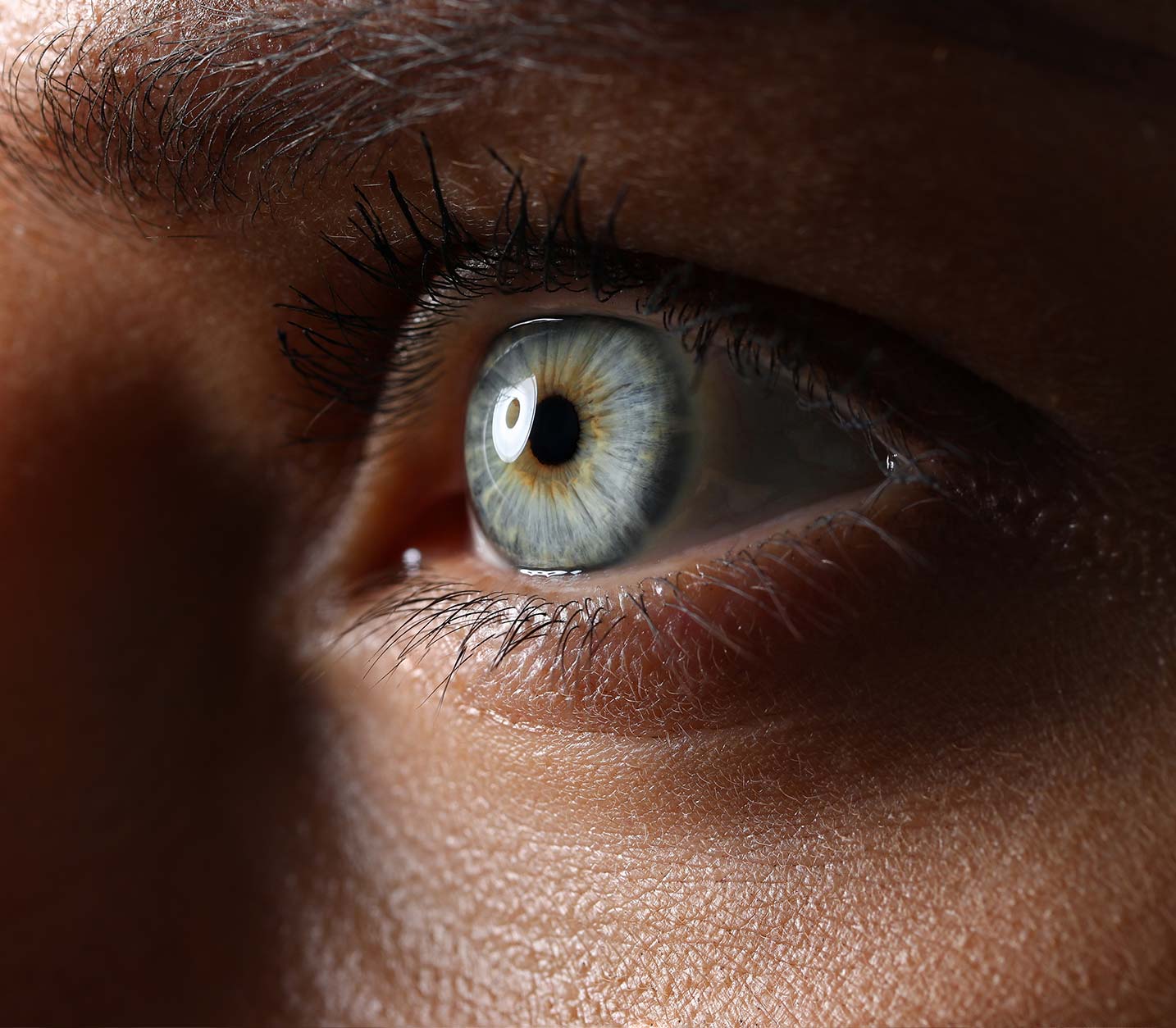
Keratoconus & Cross-Linking
Keratoconus thins the cornea until it bulges into a cone, distorting vision. Collagen cross-linking is the only treatment proven to stop that progression.
Learn about cross-linking →
Fuchs’ Dystrophy
An inherited loss of the cells that pump fluid out of the cornea. Vision is typically worst in the morning. Advanced cases are treated with a partial corneal transplant.
Learn about Fuchs’ dystrophy →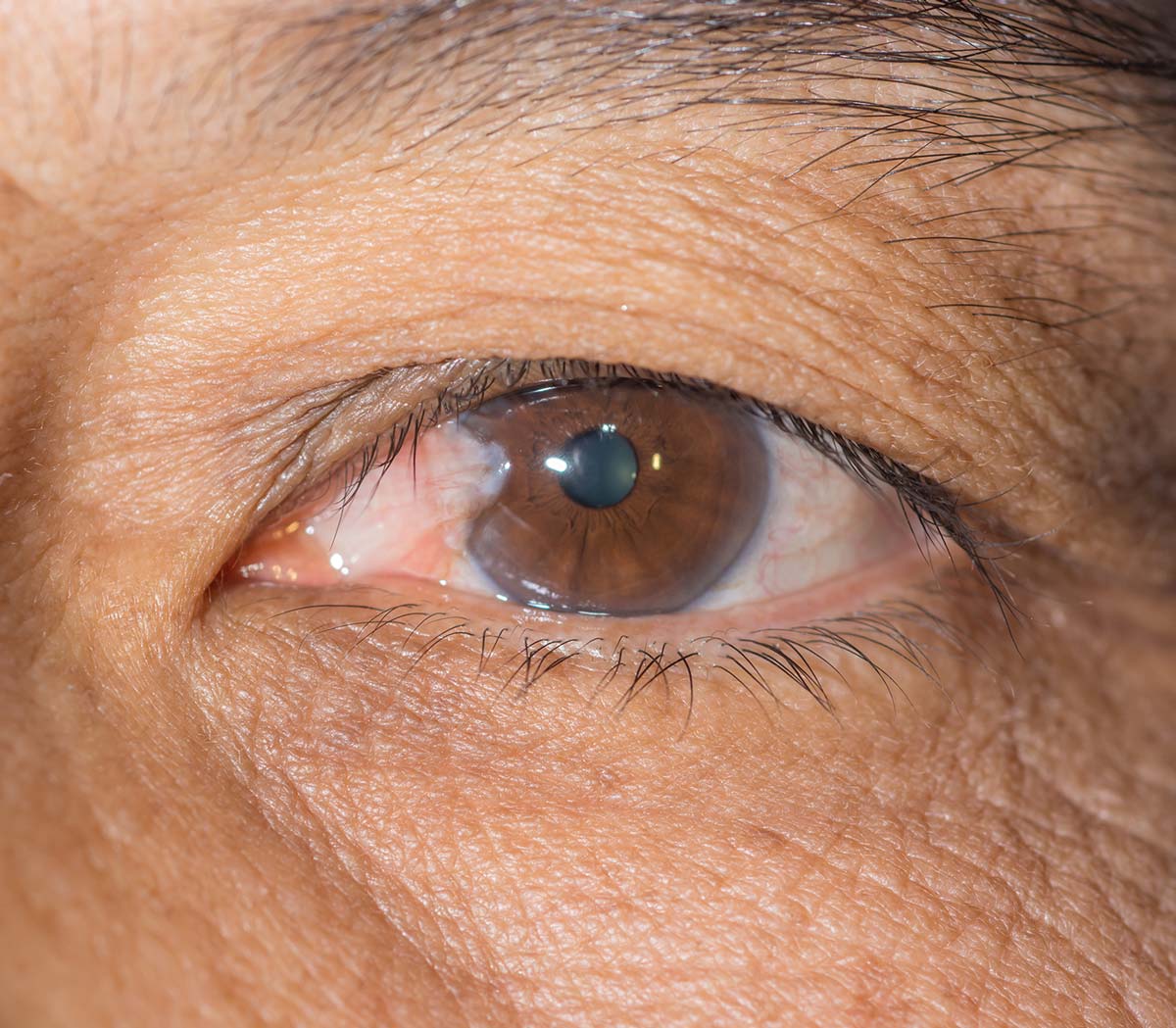
Pterygium, Keratitis & More
Pterygium (“surfer’s eye”), conjunctivitis, scleritis, keratitis, ulcers and scars — inflammation and growths that can threaten sight if left untreated.
See all corneal diseases →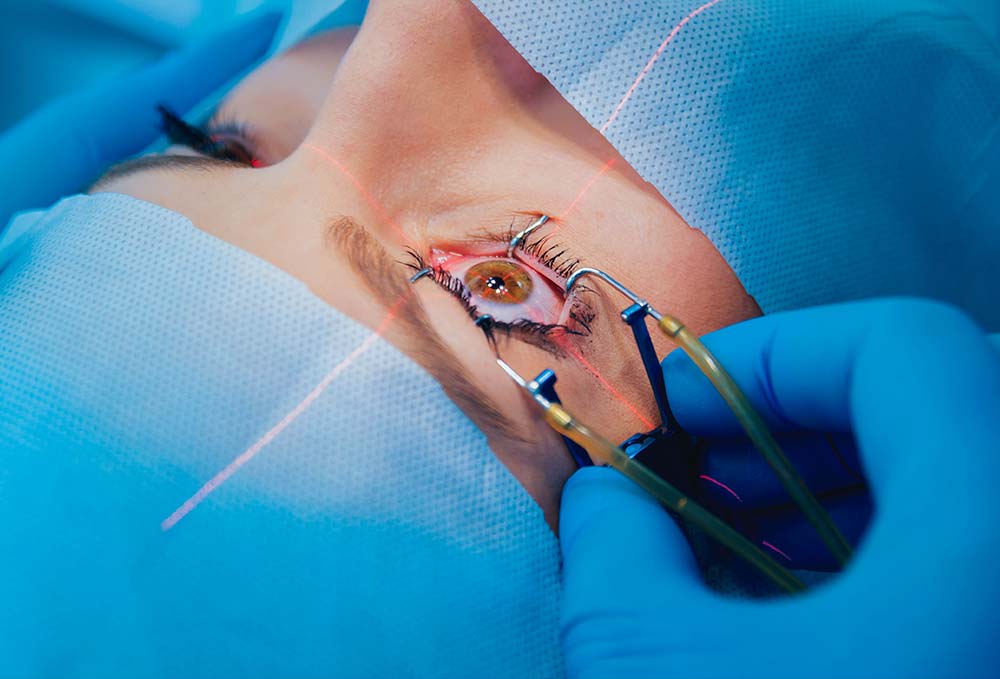
Laser Cornea Surgery
Precise laser treatment to smooth scarring and irregularities on the corneal surface, often restoring clarity without a transplant.
Learn about laser cornea surgery →
Blurry vision is not always a prescription problem
Blurry vision can be a sign of something more serious than nearsightedness. Dry eye, corneal swelling, scarring and keratoconus all blur vision in ways glasses cannot correct — and all of them are treatable.
If your vision fluctuates through the day, if your eyes burn or feel gritty, if lights halo at night, or if a new prescription never quite feels right, the cornea is worth examining. A dry-eye and corneal surface evaluation takes one visit.
Left alone, chronic surface disease can progress to corneal ulcers and permanent scarring. Caught early, most patients are managed comfortably with drops, punctal plugs or in-office treatments.
- Fluctuating vision that clears when you blink.
- Burning, gritty or sandy sensation, often worse late in the day.
- Watery eyes — reflex tearing is a classic dry-eye sign.
Real Newsom Eye patients
 Meet Alejandra: A Vision of Success
 Amazing Cataract Outcomes
 Amazing LASIK Outcomes