Cataracts

What Is a Cataract?

You deserve NEWSOM EYES!

A cataract is your eye’s own lens turning hard and yellow with age. It is not a growth or a film over the eye — it is the lens itself losing its clarity, and it happens to nearly everyone eventually.


A clouded natural lens compared with a clear intraocular lens
25+ Years
Serving Florida patients
100,000+
Surgeries performed
5 Locations
Sebring to Gainesville
3 Surgery Centers
AAAHC accredited
Cataract evaluation at Newsom Eye
The Basics

What happens to the lens

As people age, the lens of the eye can become hard, and the muscles around the eye may struggle to mold the shape of the lens. This hardening may begin in your forties, but cataracts usually do not appear until you are in your sixties.

As the lens hardens, its color may change from clear to brownish, decreasing the quality of your vision and your perception of color and contrast. That is a cataract.

During the development of cataracts, glasses and contact lenses are an option for many people in the early stages, before the cataract becomes a major problem. Once a stronger prescription stops helping, surgery is the treatment.

  • Hardening can start in your forties, though cataracts usually appear in your sixties.
  • Color shifts from clear to brownish, dulling contrast and color.
  • Glasses help early on, until a stronger prescription stops making a difference.
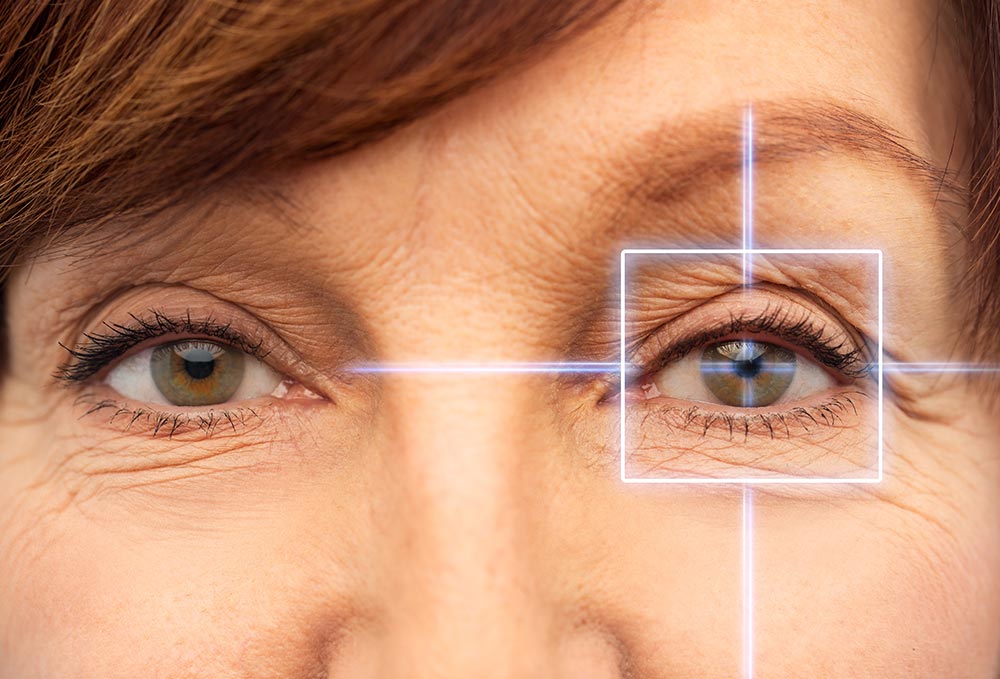
Older adult with cataracts struggling with glare
Symptoms

How cataracts change your vision

Cataracts come on slowly enough that most people adapt without noticing. The classic complaints are night driving becoming uncomfortable, headlights and streetlights throwing halos, and colours looking washed out or yellowed.

Many people also find they need more light to read than they used to, that their glasses prescription is changing more often than it once did, or that one eye has quietly become much weaker than the other.

None of this is dangerous in the way glaucoma or a retinal detachment is dangerous. Cataracts are not an emergency — they are simply a fixable reason people give up things they enjoy.

  • Glare and halos around headlights and streetlights at night.
  • Colours look faded or yellowed compared with how you remember them.
  • You need more light to read comfortably than you used to.
  • Your prescription keeps changing and new glasses stop helping.
cataracts FAQs

Frequently asked questions about cataracts

What is a cataract?

A cataract is the clouding and hardening of the eye’s natural lens. As the lens hardens, its colour changes from clear to brownish, decreasing the quality of vision and perception.

At what age do cataracts develop?

Hardening of the lens may begin in your forties, but cataracts usually do not appear until you are in your sixties. Everyone develops them eventually if they live long enough.

Is a cataract a growth on the eye?

No. It is a change within the eye’s own lens, not a film or growth over the surface. That is why drops cannot dissolve one and why surgery replaces the lens.

What are the first symptoms?

Glare and halos around lights at night, faded or yellowed colours, needing more light to read, and a glasses prescription that keeps changing without ever quite working.

Can glasses fix a cataract?

Early on, yes — glasses and contact lenses are an option for many people before the cataract becomes a major problem. Once a stronger prescription no longer helps, surgery is the treatment.

Do cataracts cause blindness?

Untreated, a cataract can eventually cause severe vision loss. In practice this is almost entirely preventable, because cataract surgery is one of the most commonly performed and most successful procedures in medicine.

When should I have surgery?

When the cataract interferes with things you want to do — driving at night, reading, working, watching television. There is no requirement to wait until it is “ripe”.

Will the cataract come back?

No. The natural lens is removed and replaced with an intraocular lens, and it cannot become cloudy again. Some patients develop clouding of the capsule behind the lens years later, which is cleared in a few minutes with a YAG laser.

Wondering whether it is time?

A cataract evaluation tells you where you actually are — and whether waiting or moving makes more sense for you.